

From farm to fork: sharing data securely
The agri-food sector faces major societal and economic challenges. Consumers, buyers and government authorities are increasingly demanding transparency about the origin of products. They also want access to data on sustainability and food safety. At the same time, the need for efficient collaboration is growing among growers, processors, trading companies, logistics service providers, inspection bodies and retailers.
With the Basic Data Infrastructure (BDI), organisations can share data securely and in a standardised way, while retaining control over their own information. This creates greater transparency across the supply chain and makes collaboration easier. It also enables organisations to respond more quickly to developments such as new legislation and regulatory requirements.
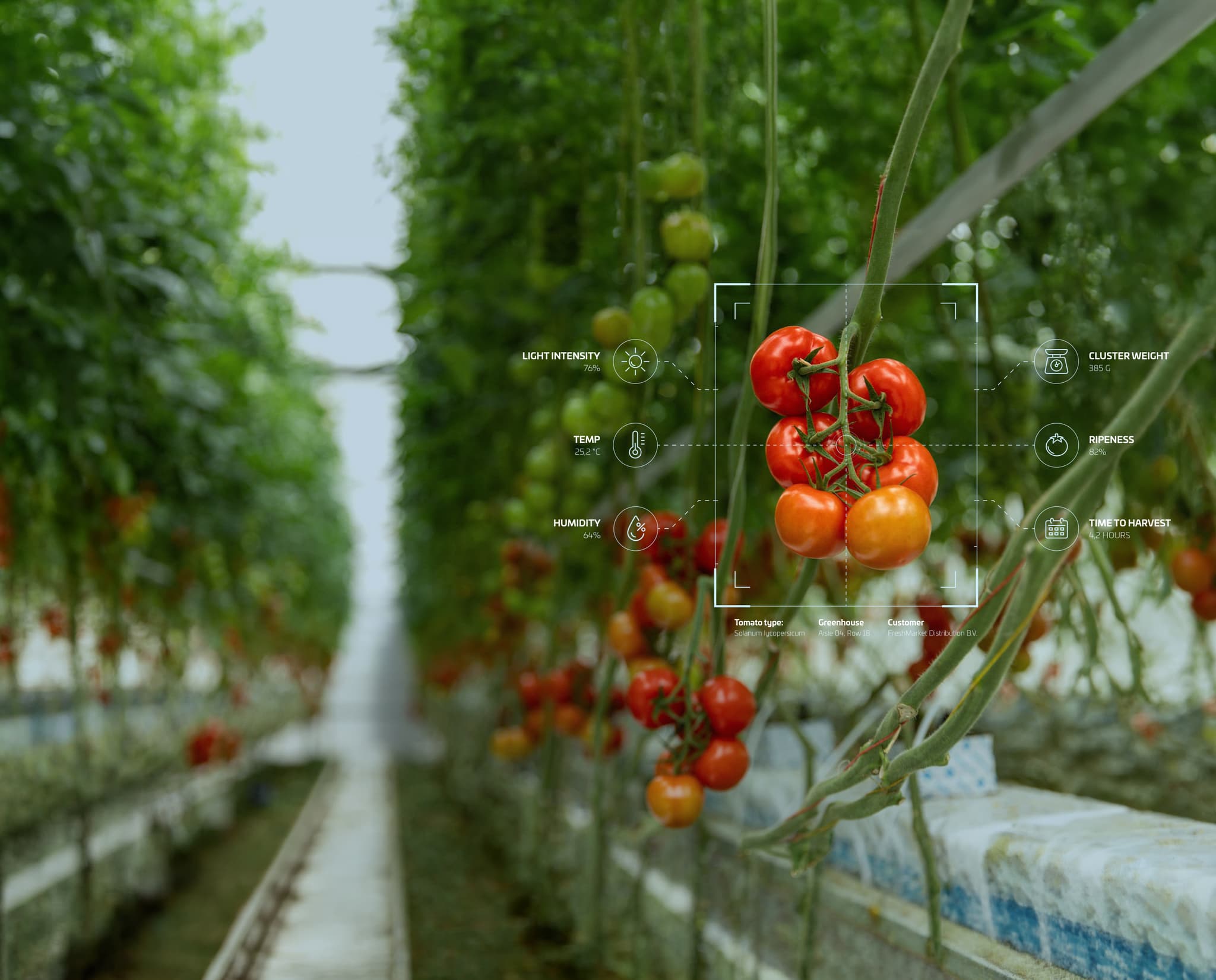
The challenge: fast en secure digital collaboration
Across the agri-food supply chain, many organisations hold valuable information. However, this information is often spread across different systems and organisations. As a result, making data available to supply chain partners can be time-consuming. When products pass through multiple stages of the supply chain, reliable data exchange is essential to prevent delays and reduce administrative work.
Through a shared framework of agreements, the BDI enables organisations to share only the data needed at a particular moment, and only with parties authorised to access it.
Take an exporter shipping a consignment of tomatoes, for example. With the BDI, the exporter can access up-to-date information from other parties, such as the product's origin, valid certifications and the use of crop protection products. This eliminates the need to request information from each party separately, allowing the consignment to be checked and exported more quickly. Throughout the process, every organisation remains in control of its own data.
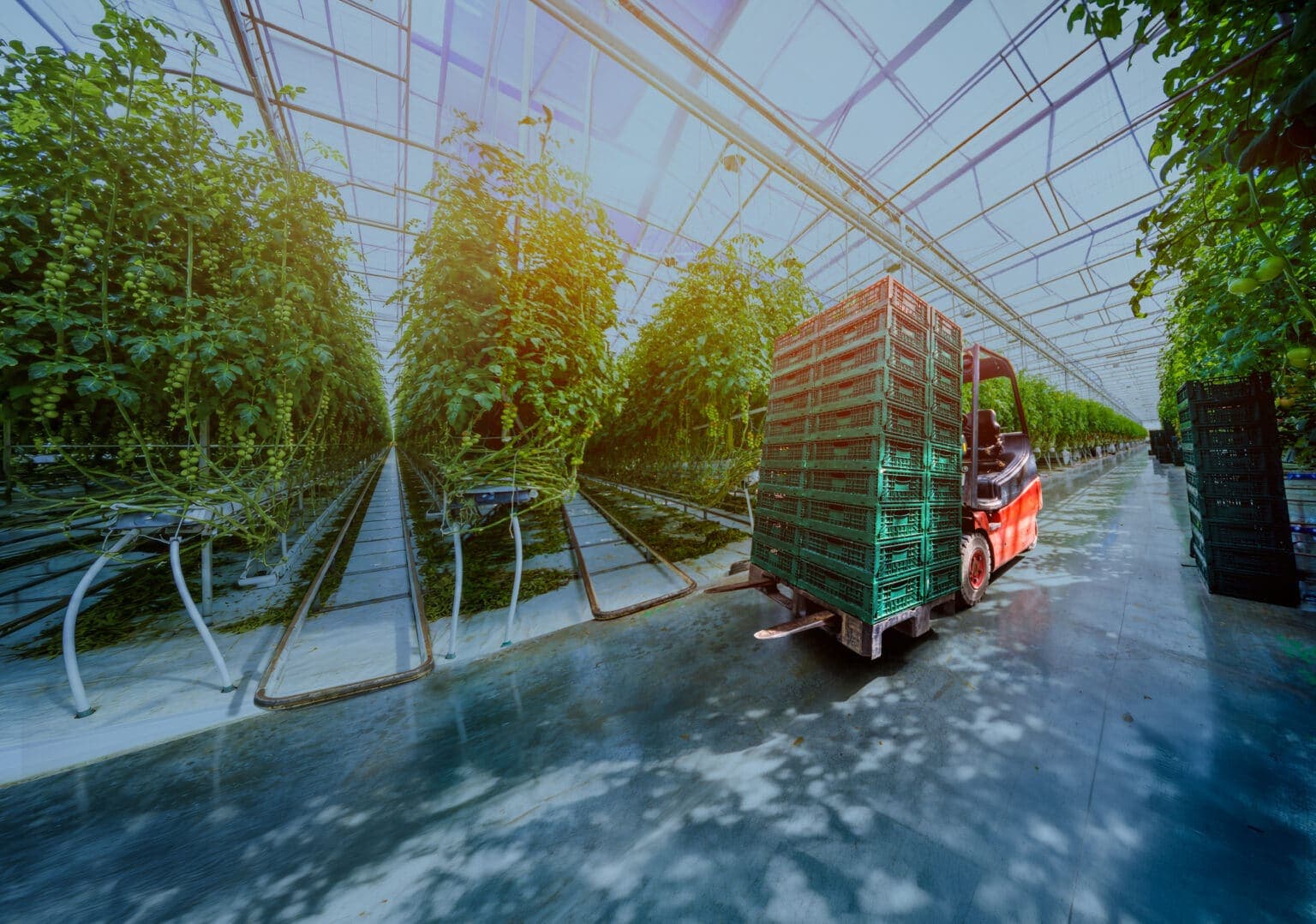
What does the BDI mean for the agrifood?
Challenges in agrifood
- Information on product origin, certification and sustainability is spread across different organisations.
- Supply chain partners do not always have access to the same up-to-date information.
- Traceability requires a lot of manual work and administrative coordination.
- Certifications and export documents involve significant administrative processing.
- Sustainability information must be collected separately for each buyer and regulatory authority.
- Organisations want to collaborate without sharing commercially sensitive information.
- Onboarding new supply chain partners takes time and requires technical integrations.
The benefits of the BDI
- Organisations share data directly from the source, without central storage.
- All parties work with the same up-to-date source data.
- Faster and more reliable exchange of supply chain information.
- More efficient data exchange for certification and international trade.
- Reusable data for reporting, audits and sustainability accountability.
- Only trusted and authorised parties have access to relevant information.
- New parties can easily connect using the same digital rules and standards.
Impact and reach in agrifood
Agricultural exports
With €137,5 billion in agricultural exports, reliable supply chain data provides the Dutch agri-food sector with a strong foundation for greater transparency, trust and competitiveness.
From farmer to supermarket verifiable
Origin, carbon footprint and certifications are directly linked to the product, batch or consignment.
More value, less waste
Better data enables smarter supply chain decisions, while the Netherlands still wastes approximately 1.6 billion kg of food every year.
“With the BDI, growers retain control over their data and share only the information that is needed.”Kim Versteegt - Team lead business consultancy VAA Data Works

Use cases of the BDI



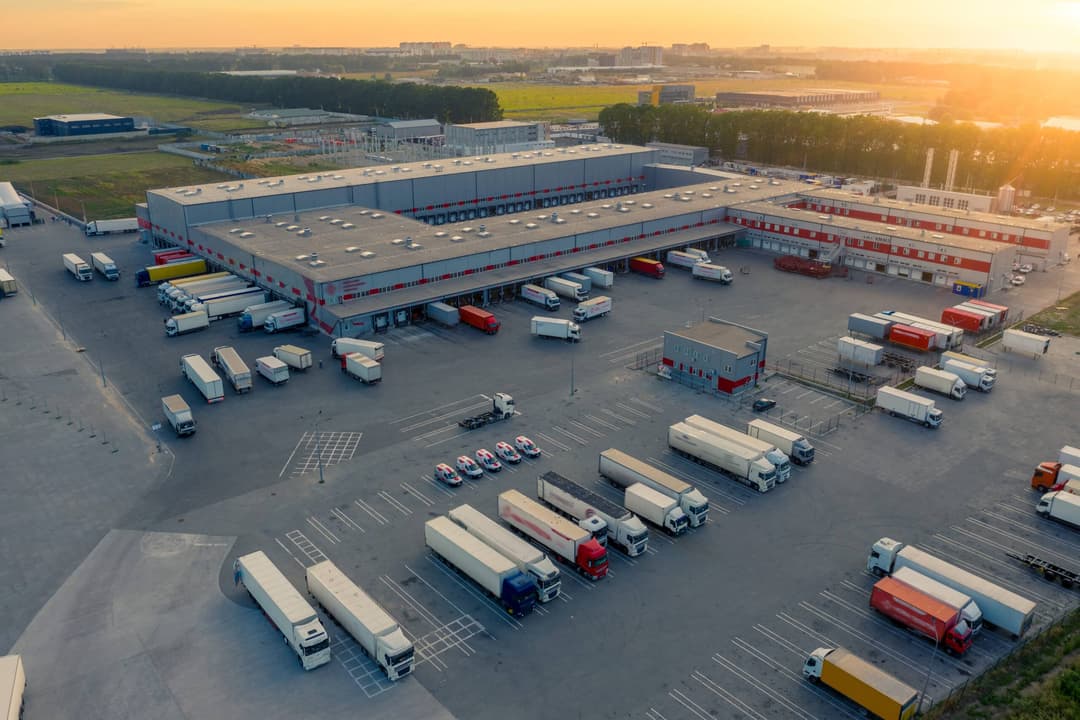
The benefits of the BDI
Efficient
- You always have one up-to-date version of the data
- You can respond to disruptions in the supply chain in time
- Flexibility to align with existing practices
Safe
- As the data owner you remain in control
- Independence from a single central authority
- The BDI operates according to high security standards
Trusted
- You can exchange data with confidence, even with parties you don't know
- Smaller organisations can easily connect
- Privacy is protected